How to Spot a Fake Silver Coin
The Ultimate Collectors Guide
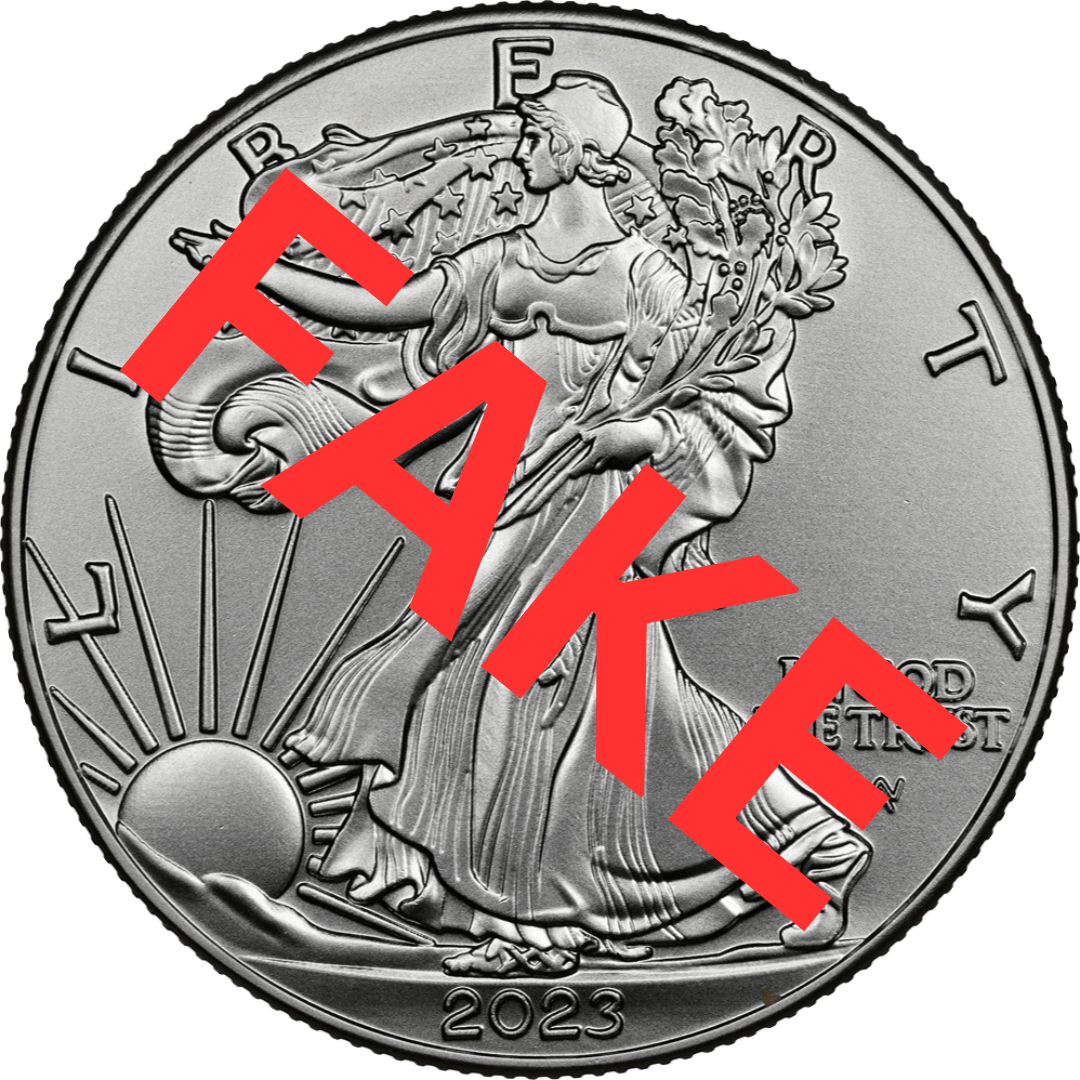
2023 · LIBERTY · COUNTERFEIT
As the global demand for physical precious metals continues to climb, counterfeiters are becoming increasingly sophisticated. Gone are the days when a fake silver coin was easy to spot with the naked eye. Today, base-metal replicas coated in a microscopic layer of genuine silver routinely make their way onto the secondary market, catching uneducated buyers off guard.
Whether you are a seasoned stacker or a hobbyist just starting your numismatic journey, knowing how to verify your physical wealth is paramount. This guide outlines the essential steps, tools, and psychological warning signs needed to protect your investment.
The Red Flags: Spotting Fakes Before You Buy
Often, the easiest way to identify a counterfeit coin is to look at the deal itself rather than the metal. The physical coin market is incredibly efficient; silver bullion consistently trades at or above the prevailing global spot price.
If an online seller, social media marketplace, or auction listing offers “Buy It Now” prices significantly below the current silver spot price, it is almost guaranteed to be a scam. No legitimate dealer or private collector will sell physical silver at a loss. Always research the market value first and stick to high-reputation sources. If you are uncertain where to buy safely, you can view our directories of high reputation partners:
- Find an Bullion Dealer: High-Reputation Bullion Dealers Directory
- Source Directly from the Mint: Global Mint Directory
Standard Physical Tests
If you already have the coin in hand, your first line of defence requires nothing more than a few inexpensive tools:
- Weight and Dimensions: Every official sovereign coin is minted to strict physical specifications. Using a set of digital scales (accurate to 0.01g) and digital callipers, verify the exact weight, diameter, and thickness against the issuing mint’s official documentation. Base-metal fakes (usually made of copper, nickel, or lead alloys) cannot match both the weight and the precise dimensions of genuine silver because silver has a unique density (10.49g/cm). If the weight is correct but the coin is noticeably too thick, it is a fake.
- The Magnet Test: Silver is non-magnetic (it is actually diamagnetic, meaning it will subtly repel or slow down a strong neodymium magnet sliding down its surface). If a coin sticks directly to a standard magnet, it contains a iron or nickel core and is entirely counterfeit.
The Thermal Conductivity Test: The Ice Cube Method
Silver possesses an extraordinary physical characteristic: it has the highest thermal conductivity of any metal on Earth, surpassing even copper and gold. This means silver transfers heat energy at an incredibly rapid rate. Collectors can exploit this unique property using a simple household item: an ice cube.
To perform this test, place the suspect coin flat on a table at room temperature and place a fresh ice cube directly on top of it. If the coin is made of genuine 0.999 fine silver, the ice cube will react as if it has been placed on a hot stove. It will begin to melt almost instantly, slicing down into the coin rapidly. Simultaneously, if you touch the edge of the coin not covered by the ice, you will feel the entire piece of metal turn ice-cold within seconds.
This happens because the silver is aggressively drawing ambient heat from the room and from your fingertips, funneling it directly into the ice to melt it. Base metals like iron, steel, or lead conduct heat far more slowly. If you place an ice cube on a iron-based fake, it will melt sluggishly, exactly as it would sitting out on a standard plastic countertop. While this test is an excellent, non-destructive indicator of high thermal conductivity, it should always be used as a supporting test alongside precise weight and dimension checks.
Visual and Tactile Analysis: Inspecting the Fine Details
Before even reaching for your scales, a close visual and tactile inspection can reveal the truth about a coin. Genuine silver bullion coins are struck with immense pressure using polished, high-tonnage dies, resulting in razor-sharp details and a distinct, clean texture.
When examining a suspect coin, look out for these visual anomalies:
- Pitted and Rough Surfaces: Genuine coins have incredibly smooth fields (the flat background areas). If you notice a pitted, rough, or uncharacteristically grainy texture under a magnifying glass, the coin was likely made using a cheap casting mould rather than being officially struck.
- Soft, Blurry, or Mushy Detailing: Look closely at the fine details, such as the letters in the inscriptions, the portrait’s hair lines, or the micro-engraved security features. On fake coins, these high-relief areas often appear rounded, mushy, or unnaturally thick because counterfeit dies lack the precision to replicate razor-sharp edges.
- Unnaturally Raised Flaws or Pimples: Cheap casting processes often leave behind tiny, microscopic bubbles of air. When the metal solidifies, these bubbles turn into raised pimples or strange metallic blobs on the surface of the coin—something that is physically impossible during official minting.
- Sub-par Reflectivity and Sheen: Genuine silver displays a unique, brilliant lustre (often referred to as the “cartwheel effect” when rotated under light). Base-metal fakes often look dull, unnaturally dark, or possess a greasy, overly reflective chrome-like sheen resulting from cheap chemical plating rather than pure silver.
Acoustic Verification: The “Ping” Test
For over a century, coin dealers have relied on the distinct, high-pitched, bell-like ring that pure silver produces when gently struck. Base metals emit a dull, short “thud” with virtually no sustain.
While training your ear takes time, modern technology has digitised this process. For a quick, pocket-friendly acoustic check, collectors can utilise specialised smartphone applications like Pingcoin. This app captures the specific resonance frequencies of a coin through your phone’s microphone and compares the sound waves against a verified database of official coin dimensions and metals.
While acoustic apps are an excellent, non-destructive first-line check at coin fairs or car boot sales, remember that they should be used in tandem with weight checks rather than treated as a completely definitive guarantee.
Advanced Testing: XRF Scanners
For high-value historical numismatics or absolute certainty on a massive bullion stack, professional equipment becomes necessary. Serious coin shops and testing labs utilize XRF (X-ray Fluorescence) Scanners.
While these handheld devices are incredibly expensive, often costing tens of thousands of pounds, they offer unparalleled, non-destructive accuracy. An XRF scanner fires a precise X-ray beam into the coin, exciting the metallic atoms and reading the unique secondary X-rays emitted. Within seconds, it prints out a definitive, highly accurate percentage breakdown of the exact elemental composition of the coin (e.g., 99.9% Silver, 0.1% Copper). If you are making an exceptionally large private purchase, it is highly recommended to have the transaction verified by a dealer utilising an XRF device.
What to Do If You Find a Fake
Discovering a counterfeit coin in your possession is disheartening, but taking immediate, correct action can protect both your wallet and the wider community. Your recourse depends heavily on how the coin was acquired:
- Purchased from a Coin Shop or Established Dealer: Reputable dealers value their standing in the community above all else. If you accidentally purchase a counterfeit from an established shop, return to the store immediately with your original receipt. Present your physical data (weight discrepancies or an XRF readout). A legitimate dealer will immediately issue a full refund and launch an internal investigation into how the fake entered their inventory.
- Purchased via a Second-Hand Sale (eBay, Marketplaces, or Private Individuals): If bought through an online platform like eBay or via credit card, open a dispute immediately under “Item Not as Described” or “Counterfeit Goods.” Document your findings clearly with photographs on a scale. Most major platforms heavily favour the buyer in fraud cases and will force a refund. If purchased via cash in a private, face-to-face transaction, your legal recourse may be limited; however, you should immediately report the seller’s profile to the platform hosting the ad and notify Action Fraud (the UK’s national fraud reporting centre) to prevent others from falling victim to the same scam.
Disclaimer: The information provided in this article is for educational and informational purposes only. While the testing methods described are widely utilised within the numismatic community, they do not constitute legal or professional financial advice. To establish absolute certainty regarding the authenticity or purity of precious metals, you should always consult a certified professional numismatist or an accredited bullion dealer utilising commercial verification equipment. Britannia UK accepts no liability for financial losses, private transaction disputes, or damage to property resulting from the use of the home-testing methods outlined above.
Guides & Articles
No articles yet.